How the Federal Government Can Better Protect LGBTQ Students in Religious Universities & Colleges

This September, I met with staff members in the Office of Civil Rights, at the U.S. Department of Education (DOEd) in Washington, D.C. to talk about the risks posed to lesbian, gay, bisexual, transgender, and queer/questioning (LGBTQ) students by disaffirming religious universities/colleges (DRUs).

What Can We Do to Prevent the Abuse of Children with Disabilities?

In February 2016, Ethan Okula, a 10 year-old child in foster care for three years, died from a bowel obstruction after numerous adults neglected to drive him to the hospital emergency room or call 911. In many ways, this tragedy is no surprise; Ethan embodied many known risk factors for child neglect and abuse as described by columnist Mike Newall of the Philadelphia Inquirer on July 18, 2016.

9 Ways to Talk to Your Kids about the 15th Anniversary of September 11

Children and teens have grown up in a world changed forever by the September 11 attacks. They have little or no memory of the United States not involved in the wars which followed the attacks. Media coverage of large-scale tragedies, including coverage of anniversaries of such events, can lead to emotional stress for some children and teens. The intensive 15th anniversary coverage of the terrorist attacks of September 11 may produce such distress.

We Need to Talk About How Race-Related Trauma Hurts Black and Brown Youth in Schools

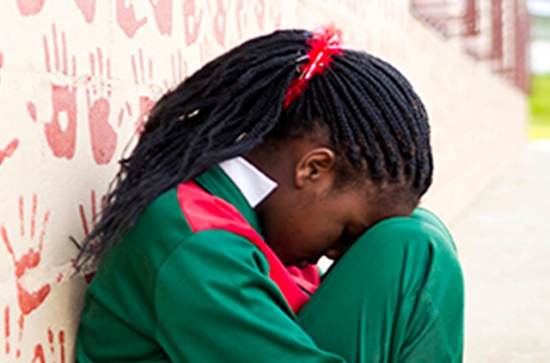
Witnessing or experiencing race-related trauma damages the psychological wellbeing of minority youth. African American, American Indian, and Latino youth not only encounter race-related trauma in their neighborhoods but also in school. Schools should be a safe space for all children, but some disturbing data prove otherwise.

Diverse kids holding hands

How to Talk to Our Kids about the Tragic Shootings in Louisiana, Minnesota and Dallas

Families around the country are coming together to talk about the officer-involved shootings in Louisiana, Minnesota, and the ambush of police officers in Dallas, Texas. These events come shortly after the violence in Orlando. In fact, it seems that acts of violence are in the news on a regular basis. How do we begin to explain all of this to our children when we, as adults, are having our own difficulties with what is occurring?

7 Ways to Talk to Children and Youth about the Shootings in Orlando

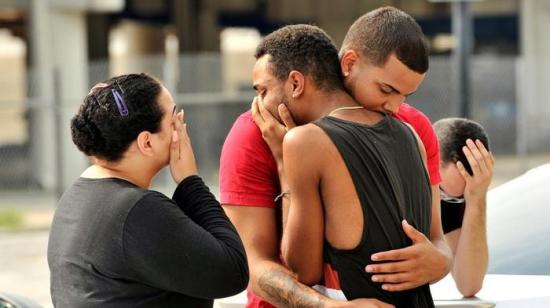
Once again our nation is coping with a violent tragedy. In the aftermath of the Orlando terrorist attack, we find ourselves distressed, grief-stricken, and even angry that such a horrible thing could happen. Children and teens may find the event even more challenging. Here are some suggestions on talking with your children about what happened.

Three Year Olds Defending Themselves in Immigration Court: Absurd Joke or Sad Reality?

By Jodi A. Quas, PhD (Professor of Psychology and Social Behavior, University of California, Irvine) Recently , an amazing statement was made by a high-level federal immigration judge who not only oversees hundreds of immigration hearings each year, but is also responsible for training other immigration judges. The statement was made during a deposition hearing regarding […]